Between 1975 and 1979, Cambodia fell under the brutal rule of the Khmer Rouge, a radical communist regime led by Pol Pot. Inspired by Maoist principles and visions of an agrarian utopia, the Khmer Rouge emptied cities, abolished money, and forced millions into rural labor camps. What followed was one of the darkest episodes of the 20th century — a genocide that took the lives of an estimated 1.7 to 2 million Cambodians through starvation, forced labor, torture, and execution.
At the heart of this nightmare were several key figures. Pol Pot, the enigmatic and ruthless leader, was joined by Ieng Sary (Minister of Foreign Affairs), Ieng Thirith (Minister of Social Affairs), Nuon Chea (Brother Number Two), Khieu Samphan (Head of State), and Ta Mok, a military commander known as “The Butcher.” Together, they orchestrated a regime so extreme it shocked even other communist states. Their government, known as Democratic Kampuchea, fell in 1979 after a Vietnamese invasion, but many leaders retreated to Anlong Veng, near the Thai border — where they continued their resistance for years. Today, this remote region holds the remains — both physical and symbolic — of that bloody legacy.
Siem Reap – Then and Now
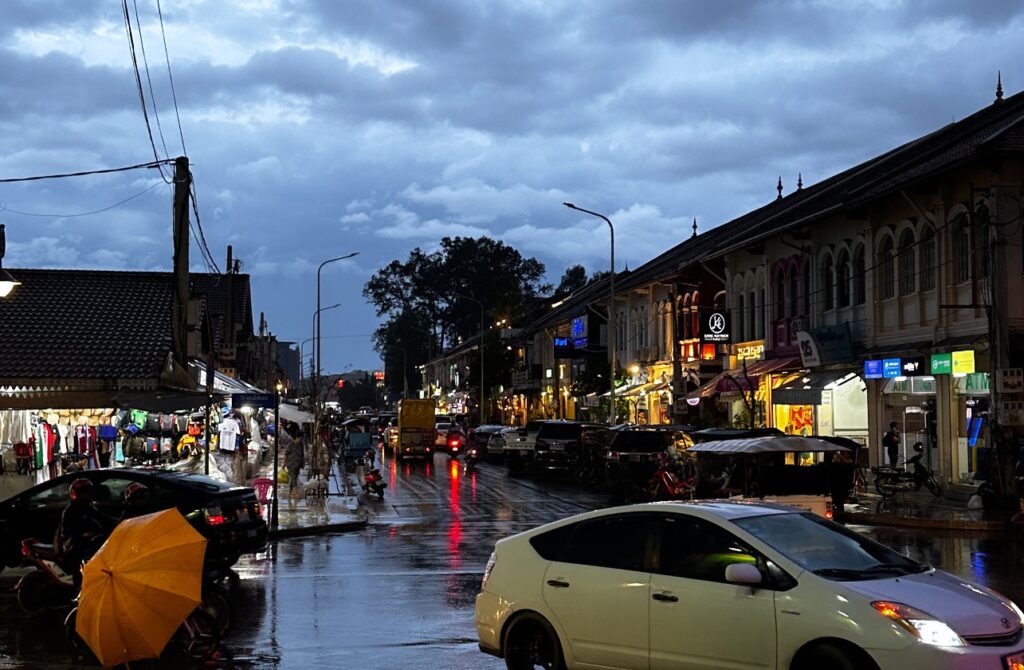
I landed in Siem Reap International Airport and took a tuk-tuk to LubD hostel — a familiar name in Southeast Asia. I had last visited Siem Reap about 16 years ago, and spending a night here felt like a small time-travel moment. The city had changed — slick cafés, boutique shops, a new sheen — but it still retained that backpacker soul beneath the surface.
Getting to Anlong Veng
Anlong Veng isn’t the easiest place to get to. Public transport is technically possible, but you’d have to speak Khmer, play bus detective, and prepare for zero help online. Luckily, I stumbled upon a small private van service located just opposite my hostel (name forgotten, unfortunately). They offered daily rides north and even picked me up the next morning at 9 AM. We stopped briefly at a small roadside BBQ shack in Aem Neath — a chance to stretch, use the toilet, and grab a sugary drink.
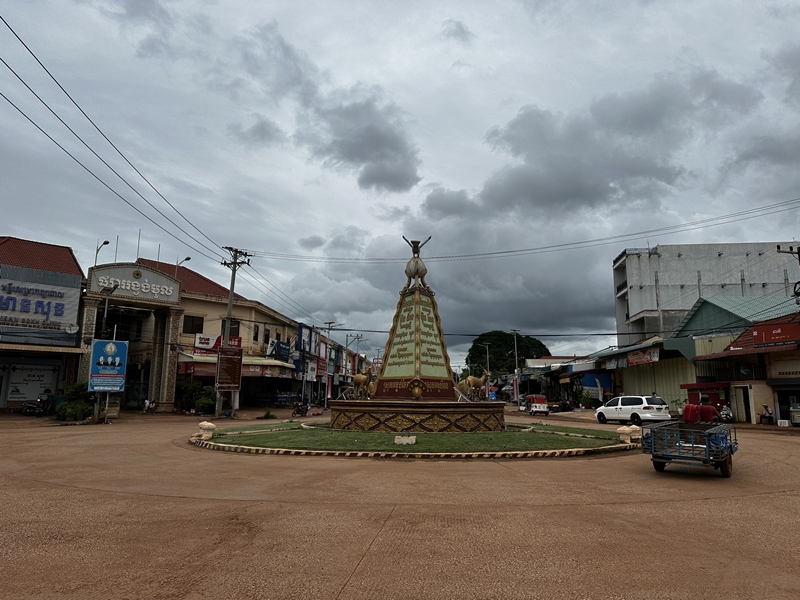
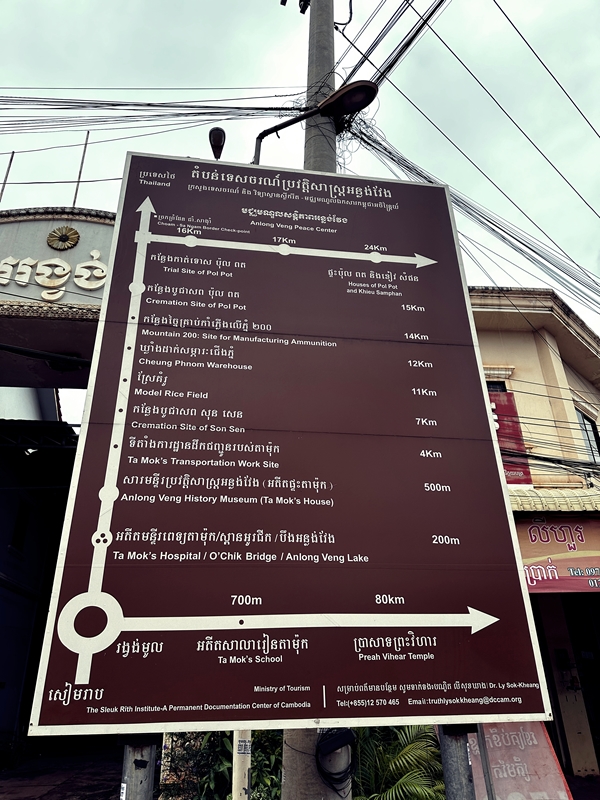
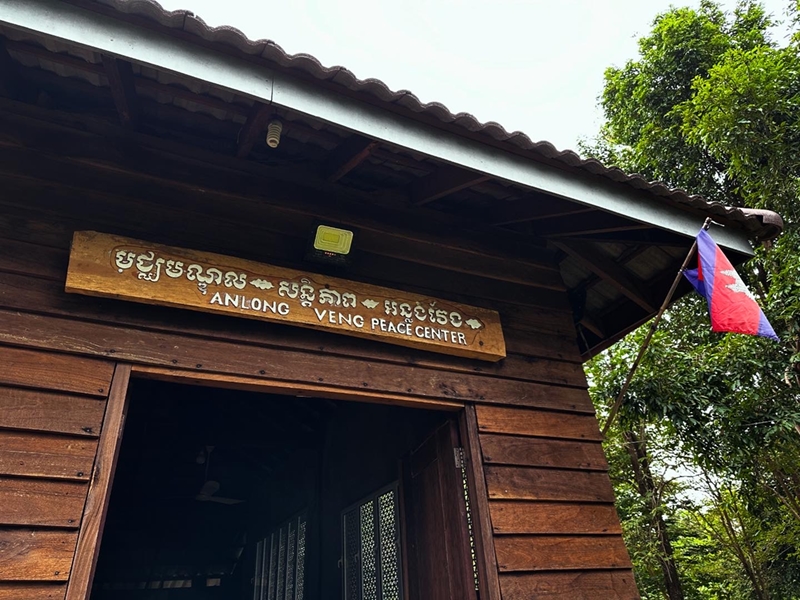
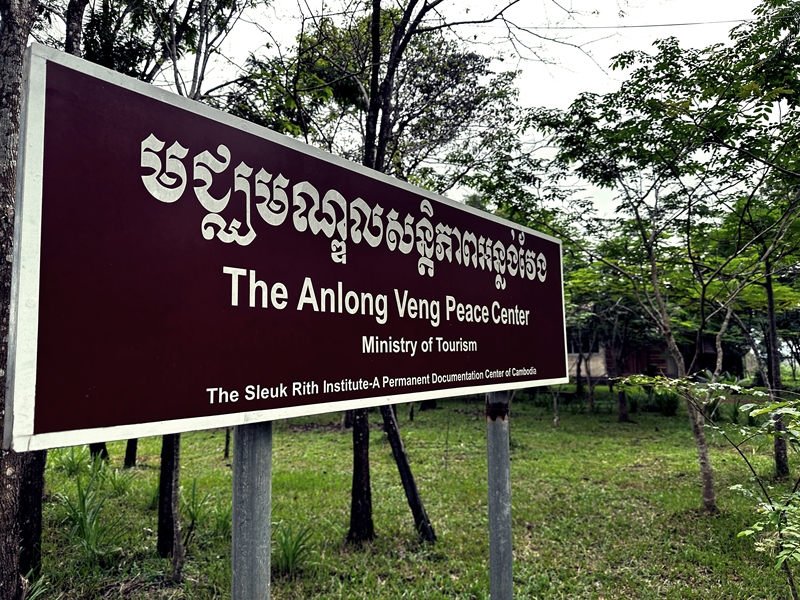
After about two hours, we reached Anlong Veng. The driver dropped me off at the roundabout, where a large signboard listed all the attractions. From there, it was a 10-minute walk north to the Anlong Veng Peace Center — the emotional core of my trip.
Anlong Veng Peace Center: Education, Not Profit
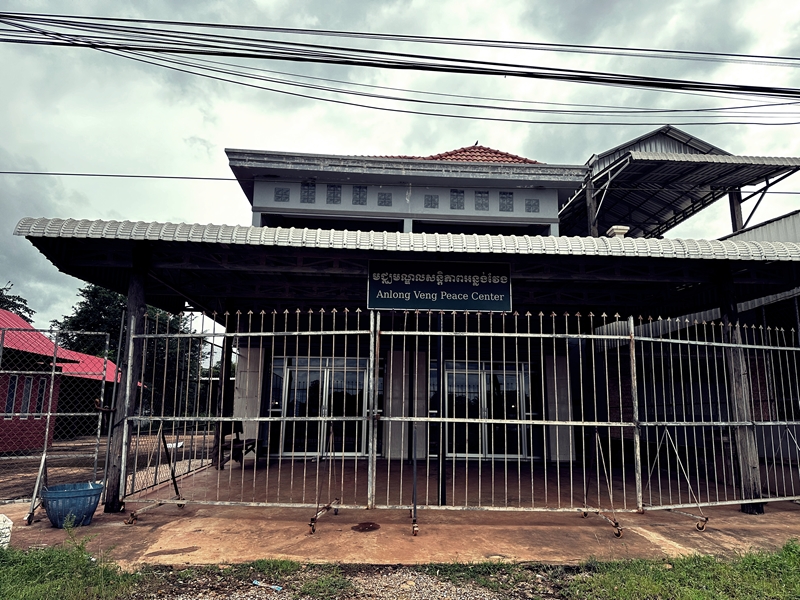
Before my trip, I had emailed the Anlong Veng Peace Center to request a tour. They responded warmly and offered to show me around — completely free of charge.
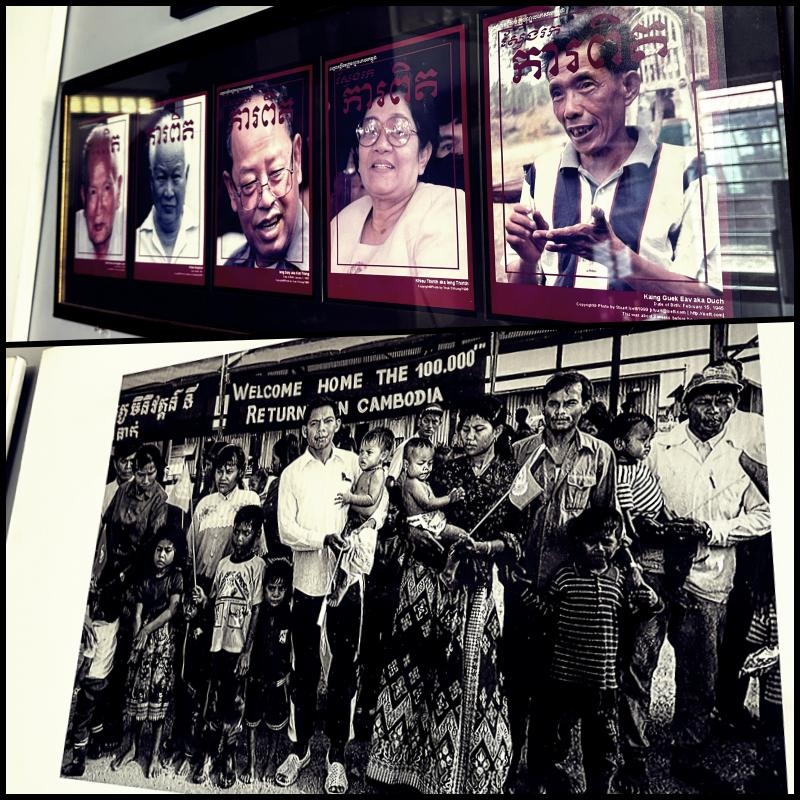
Upon arrival, I was welcomed with kindness and curiosity. The center is filled with educational materials: posters, timelines, and haunting photographs documenting the Khmer Rouge era. One of the staff members even gave me a large jungle hat — a gift. I tried to buy a book about the center, but they insisted nothing was for sale. “Only for education,” they said, before handing me a copy anyway, free of charge. I was stunned. In a world where so much is commodified, this kind of selfless hospitality was moving.
Tuk-Tuk Tour of the Khmer Rouge Legacy — $15 and a History Lesson
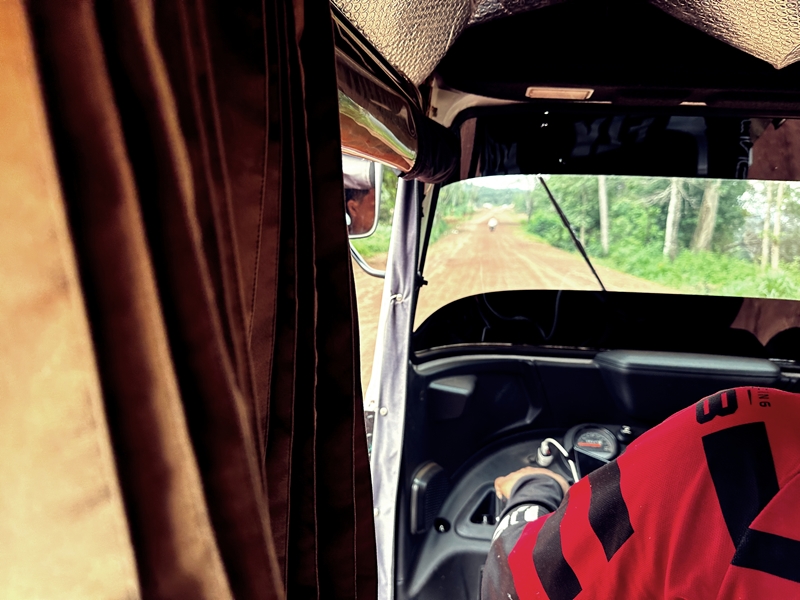
The Peace Center helped me hire a local tuk-tuk driver for $15 to visit the surrounding historical sites. It was an unsettling but powerful journey through the physical remnants of a brutal past.
Site 1: Ta Mok’s House
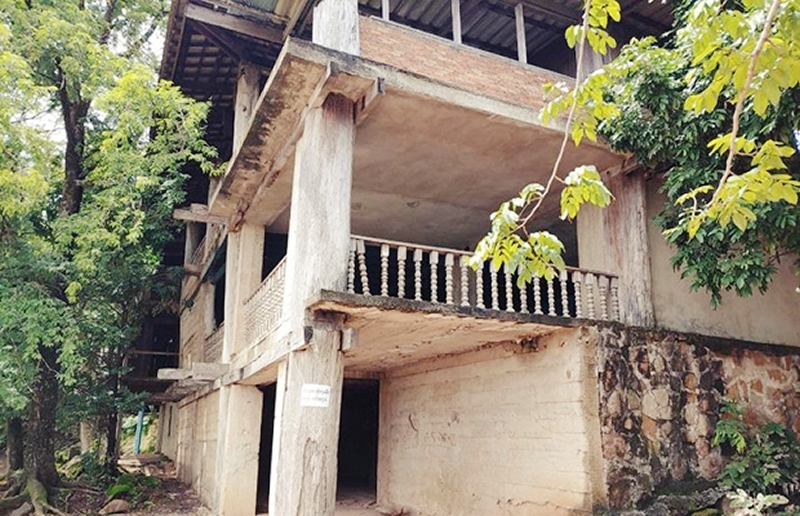
Located just across from the Peace Center, this eerie lakeside house once belonged to Ta Mok — one of the regime’s most feared commanders. Now abandoned and silent, the house is a haunting shell. My guide gave me a quick overview of Ta Mok’s role in the Khmer Rouge and his legacy as “The Butcher.”
Sites 2 & 3: Ta Mok’s Shrine & Son Sen’s Cremation Site
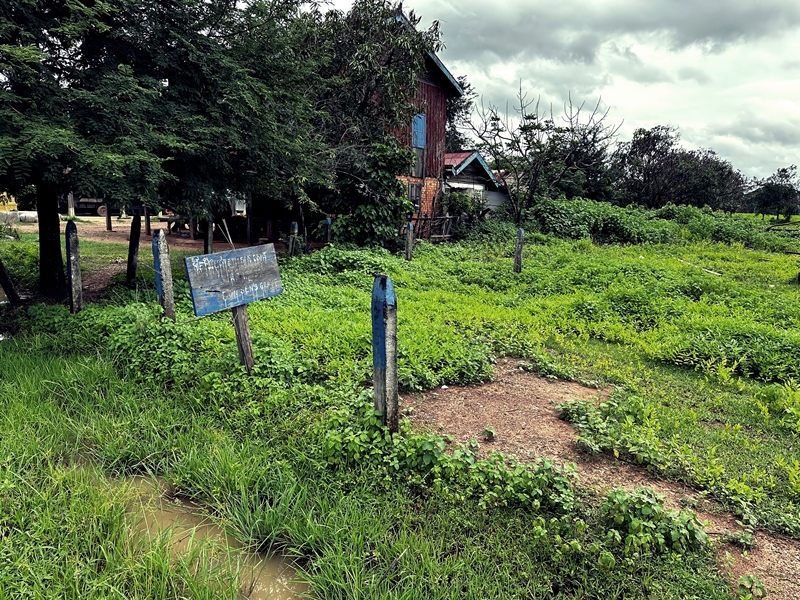
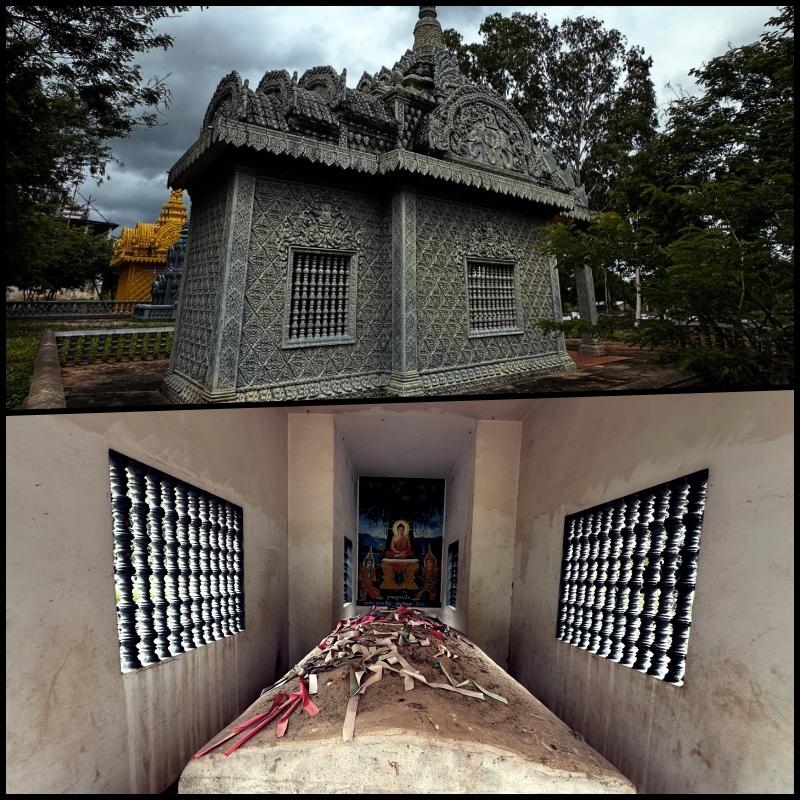
We headed north. Ta Mok’s shrine is well-maintained, with a concrete structure and altar — almost reverent in contrast to his reputation. A few meters away lies a more neglected site: the cremation place of Son Sen, a senior leader executed by Pol Pot himself in the regime’s final days. It’s nothing more than a dusty patch of land marked by a sign and wooden sticks.
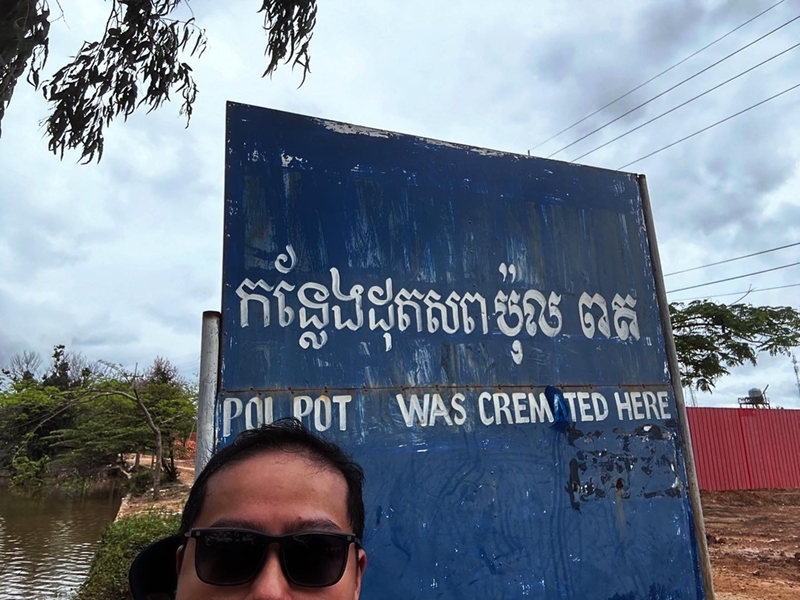
Site 4: Pol Pot’s Cremation Site
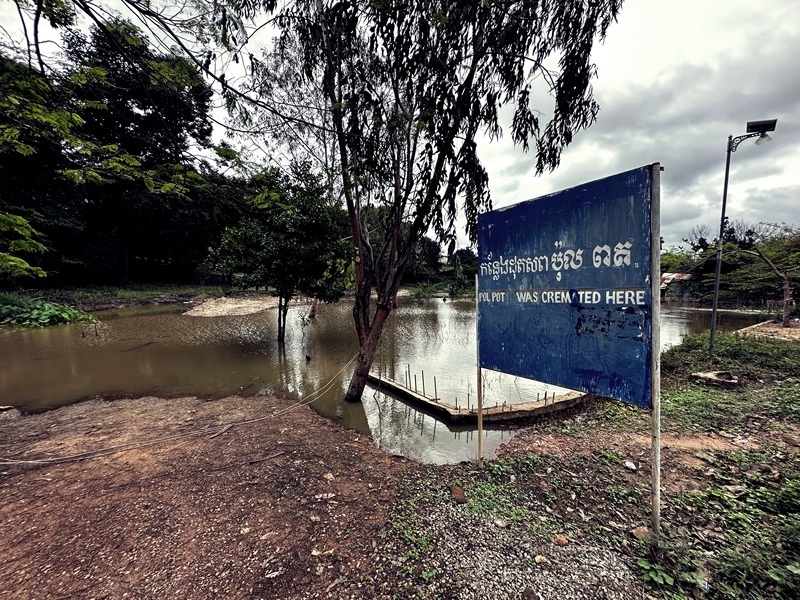
This was the highlight — or perhaps the emotional low point — of the day. The road here was barely passable, and with the afternoon rain, the entrance was flooded. But nothing was going to stop me. I took off my shoes and waded through the water to reach the grave.
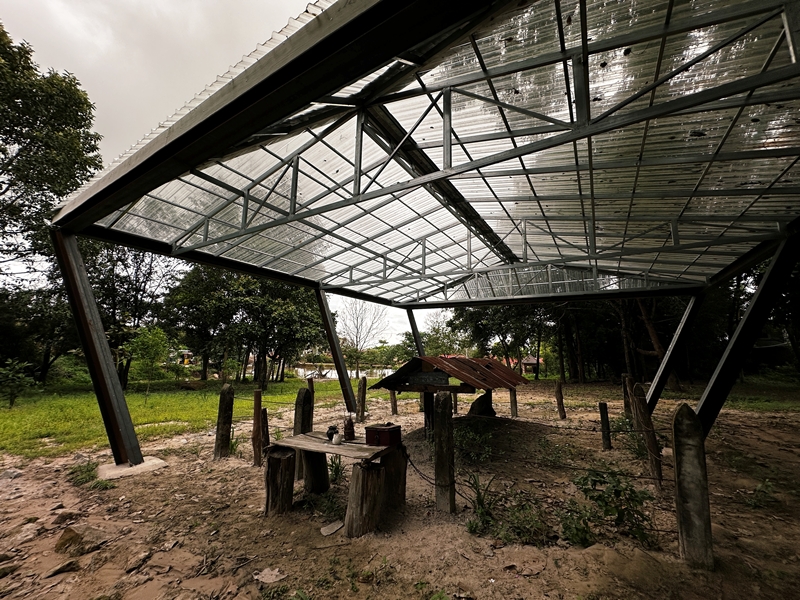
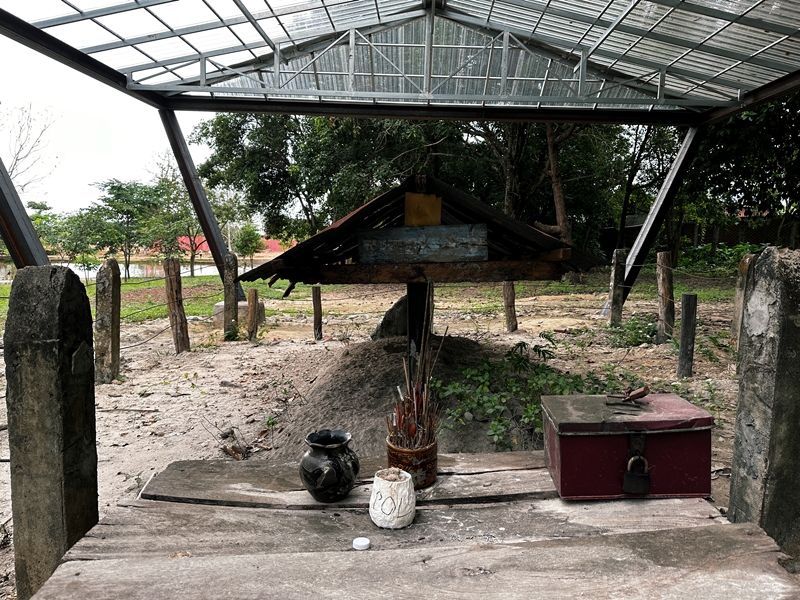
What I found was surreal. Once just a makeshift wooden hut, the site is now covered with a proper shelter. Legend has it that a local woman built the hut after dreaming of Pol Pot saying he was too hot. So she gave the genocidal leader a roof. You really can’t make this stuff up.
Site 5: Pol Pot’s Former Office
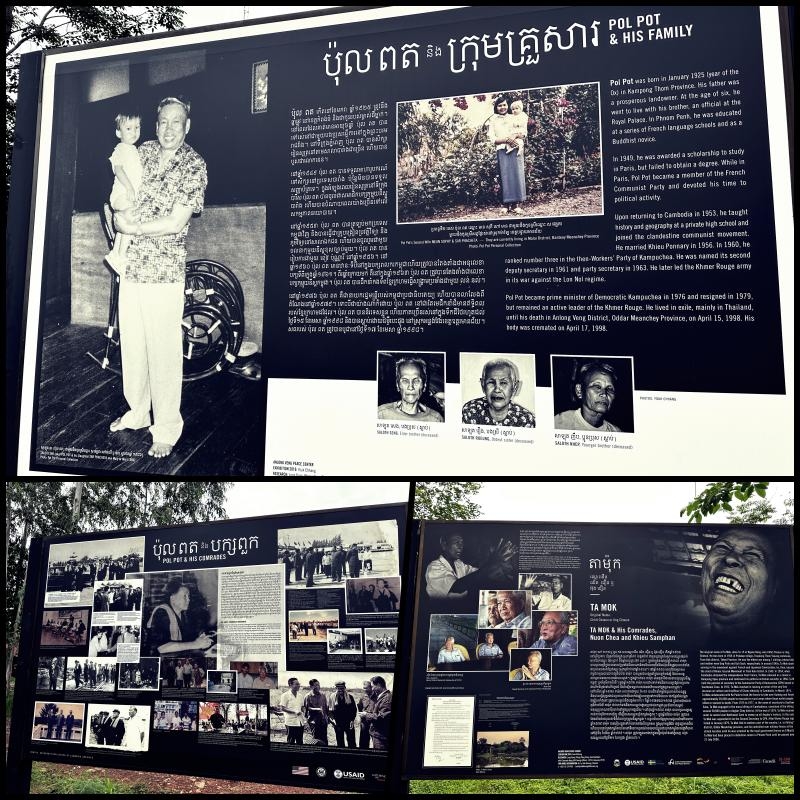
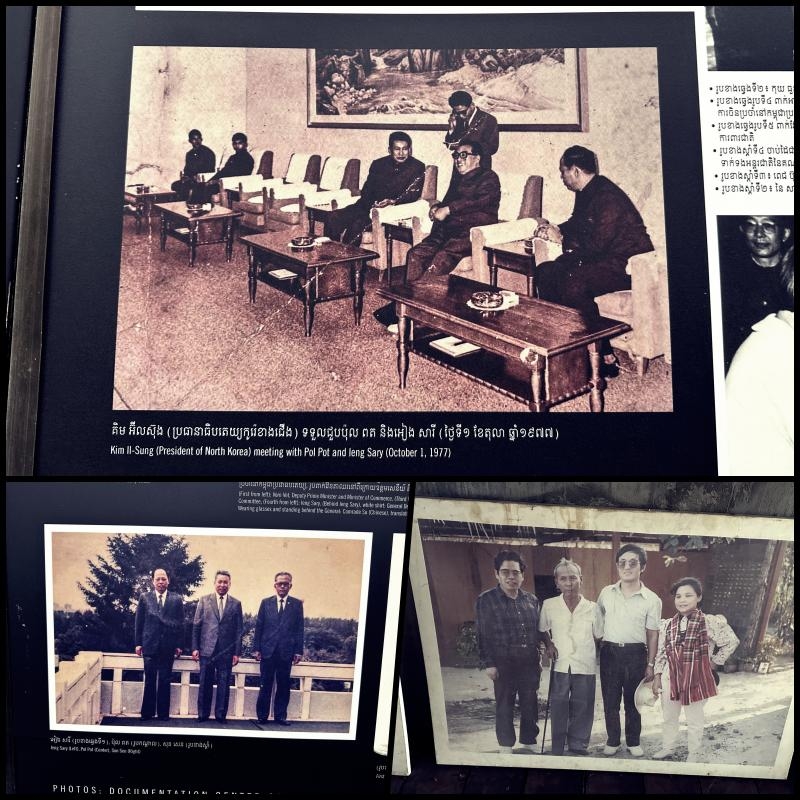
This site doubles as another branch of the Anlong Veng Peace Center. Though it looks abandoned, it once served as Pol Pot’s personal office. Boards and signs provide insight into his relationships with fellow leaders, as well as unexpected alliances — including a meeting with North Korea’s Kim Il-sung. Communism, it seems, had a global alumni network.
Site 6: Pol Pot’s Cliffside House
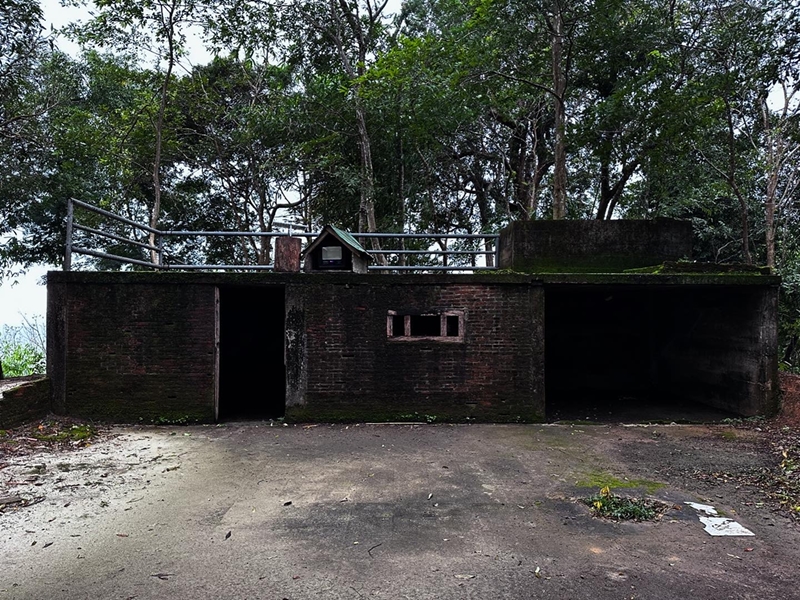
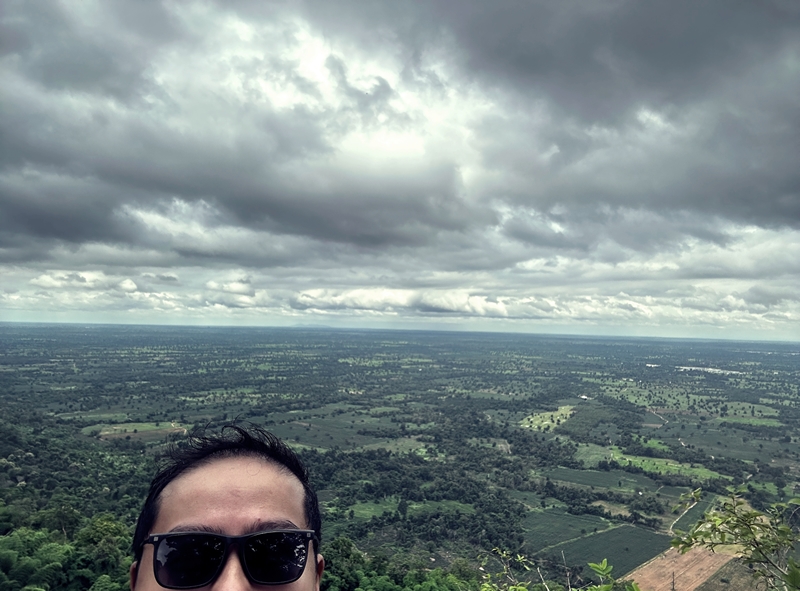
Perched at the top of a cliff, Pol Pot’s residence offers stunning views — in stark contrast to the horrors he oversaw. The site includes his personal bunker, living quarters, and the exact place where he died in 1998. You can even find old videos online documenting his final days.
The End of the Road — Literally
After saying a heartfelt goodbye to the Peace Center staff (who again refused a tip until I insisted), my tuk-tuk driver took me to the Choam border with Thailand. On the way, I noticed signs of construction — roads, markers, and infrastructure. It seems the Cambodian government is slowly developing this area into a historical tourism destination. I hope they do it right — the stories here deserve to be told.
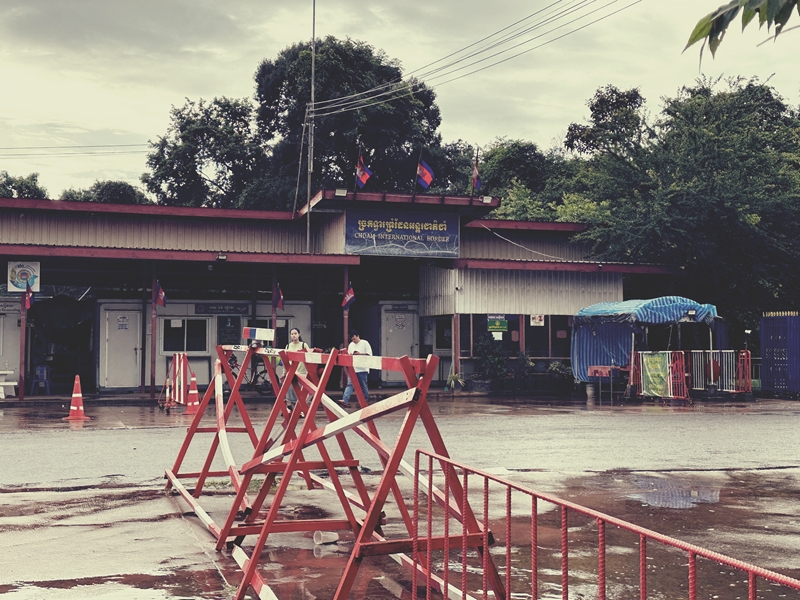
At the border, the officer looked at me and asked, “WTF are you doing here?”
Fair question, I guess. But I smiled, crossed over, and continued my journey into Thailand — carrying a jungle hat, a free book, and the weight of Cambodia’s tragic past.